Liverpool
The Salt PathLiverpool is where a hospital consultation abruptly changed what Ray and Moth believed their future could hold. The city’s importance in their story lies less in its streets than in one square, white room overlooking a car park: the place where years of unanswered symptoms became a suspected diagnosis of corticobasal degeneration, or CBD, just as the couple were losing their home.
A hospital visit amid upheaval
Ray and Moth made the long drive to Liverpool for an appointment about the shoulder pain that had troubled Moth for years. Their expectations were practical and definite: after a life of physical work, perhaps he had ligament damage or an old hairline fracture from falling through a barn roof, and the consultant would explain how to put it right. The visit was a seven-hour round trip they felt they could ill afford. In the days after the court case, they were packing boxes, making bonfires and dealing with fraught phone calls; every hour spent away from the house was an hour less within the walls that still sheltered them.
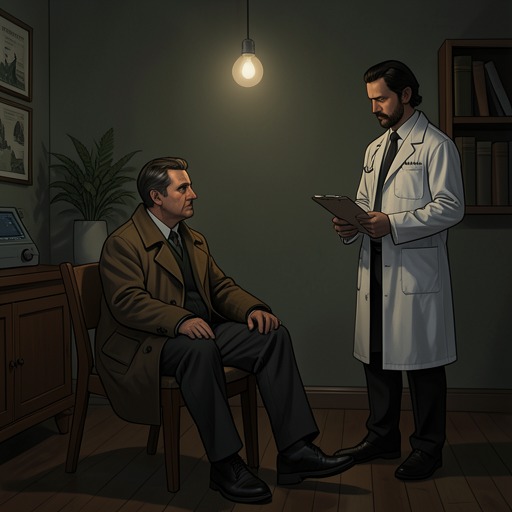
The appointment followed six years of medical uncertainty. Moth’s shoulder and arm pain, followed by a tremor in his hand, had led doctors to suspect Parkinson’s disease before that explanation was ruled out; nerve damage was then considered. One doctor had dismissed pain and difficulty walking as things Moth should expect after years of physical labour. The Liverpool consultation, by contrast, began with an unfamiliar gesture: rather than remaining behind his desk, the consultant sat beside Moth, touched his arm and asked how he was. Ray recognized that this was unlike the encounters they had had with other doctors, and the change in manner made the news that followed feel ominous before it was spoken.
The suspected diagnosis
The consultant said, “The best thing I can do for you, Moth, is give you a diagnosis.” He believed Moth had corticobasal degeneration, a rare degenerative brain disease, but stressed that he could not be certain: there was no test, and confirmation would come only at post-mortem. Asked when that might be, he estimated six to eight years from the onset of symptoms. Moth’s case appeared to be progressing very slowly, he said, since six years had already passed since Moth first presented with a problem.
The qualification did not soften the prognosis. Ray understood the consultant to be describing a disease that could progressively impair Moth’s body and mind, lead to confusion and dementia, and eventually make swallowing difficult, with the possibility that he would choke on his saliva. There was nothing the doctors could do to stop it. The diagnosis therefore arrived not as a clear explanation followed by a remedy, but as a grave possibility with no definitive test and no available treatment.
The car park and the shared future
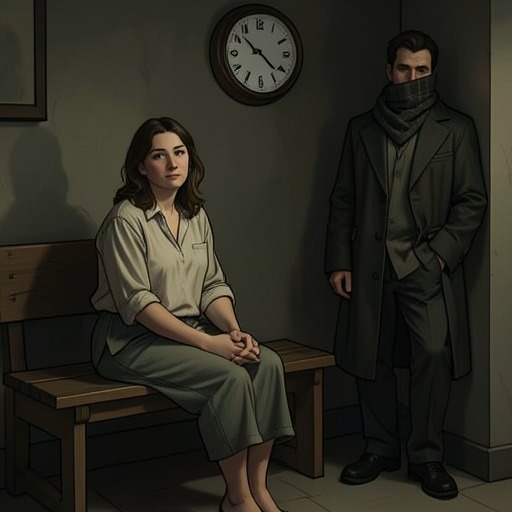
In the van in the hospital car park, Ray and Moth clung to one another, as if pressing their bodies together could make the diagnosis unreal. Moth’s tears were visible; Ray could not cry, afraid that grief would overwhelm her. Their physical closeness expressed a conviction that their lives were not separate projects: they understood themselves as a single shared life, formed through years of common dreams, plans, successes and failures.
That sense of togetherness sharpened the force of the prognosis. They had imagined dying at ninety-five on a mountaintop after watching the sunrise, falling asleep together; the consultant’s account instead implied a long illness that might end in a hospital bed, with Moth dying apart from Ray. Moth insisted that the consultant could be wrong, comparing the diagnosis to the judge’s decision that had already overturned their security. Ray joined him in trying to keep that possibility open: if they refused to believe the doctor, they could continue as though the illness were not real. When Moth asked what would happen if the doctor were right, Ray answered that they would somehow fight it.
Liverpool’s continuing significance
The consultation did not settle into certainty. Its initial effect was bewilderment and denial, while its later significance lay in how the couple learned to live with a diagnosis that remained suspected rather than confirmed. During their walk, Ray worried that Moth’s worsening difficulties meant the daily physical strain was harming him, and wondered whether the journey had accelerated the disease despite the consultant’s advice not to tire himself or walk too far. The uncertainty travelled with them beyond Liverpool: the diagnosis shaped their fears without giving them a reliable timetable or a way to control what came next.
Much later, when the illness seemed for a time to be held at bay, Moth spoke directly about being cremated and asked that Ray and their children keep his ashes together with hers, so that they could be released on the coast. At the edge of Lyme Regis, Ray could at last acknowledge that he would fight the disease but eventually lose. The scene does not erase the terror of the Liverpool consultation; it shows a later, difficult movement from refusing to admit death into making room for both death and life. Liverpool remains the point at which their expected future collapsed, and the unresolved medical news against which their continuing journey—and their insistence on remaining a shared life—took shape.